
 EN
EN
 中文简体
中文简体
Product Consultation
Your email address will not be published. Required fields are marked *

In recent years, password cloth has become an innovative material used across multiple industries that require product verification and protection. As counterfeit products continue to circulate in various markets, businesses and consumers are looking for new ways to confirm authenticity without relying solely on external labels or printed codes. Password cloth introduces a physical-fabric solution that integrates security information directly into the textile, making it harder to tamper with and easier to verify. This article explores what password cloth is, how it works, and why it is gaining attention as a modern security tool.
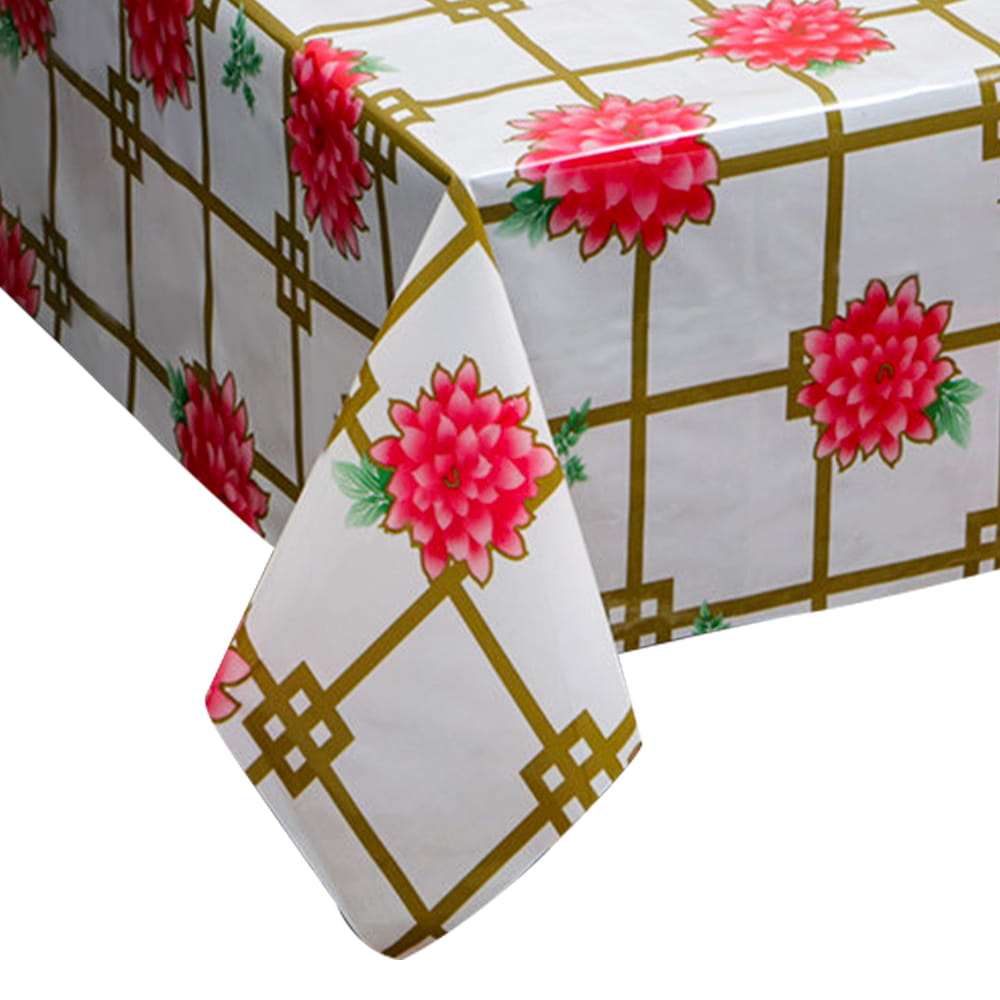
Password cloth is a type of textile that embeds identifiable patterns, micro-codes, or woven structures into the fabric during production. These patterns can be visual, tactile, or even machine-readable. Unlike stickers or printed tags that can be removed or replaced, password cloth is part of the material itself, making it far more difficult to imitate.
This technology is used in a range of products, including packaging, branded textiles, uniforms, and even household items. In some cases, password cloth works alongside digital verification systems, while in others, the fabric alone serves as the security marker.
The core value of password cloth lies in the way security information is integrated. Production methods vary, but they generally include:
1. Woven Patterns
Certain structures or color combinations are woven directly into the textile. These designs might look decorative, yet they carry specific sequences that are known only to registrants or authorized distributors.
2. Micro-Text and Micro-Symbols
Micro-scale details can be added using specialized weaving or coating equipment. These features are usually invisible to the naked eye but can be detected with magnification or scanning devices.
3. Fiber Combination Technology
Different fibers can be blended to form unique identifiers. Some fibers may react to UV light, moisture, or heat, offering additional methods of verification.
Through these approaches, password cloth becomes a material with built-in identity—an identity impossible to separate from the product.
Hard to Replicate
Because the security coding is part of the textile structure, copying it requires replicating the entire manufacturing process. Counterfeiters often lack access to the specialized equipment and weaving models needed to duplicate it accurately.
Long-Lasting Verification
Traditional labels can fade, peel, or wear out. Password cloth maintains its security markers for as long as the product remains in use since the patterns are woven into the fabric.
Supports Multi-Layer Verification
Manufacturers can combine password cloth with QR codes, RFID tags, or serialization numbers. The fabric works as a physical anchor to confirm that the digital identifier is authentic.
Several sectors are beginning to incorporate password cloth into their product lines:
Fashion and Textile
Brands use it to protect signature products, ensuring that customers can easily verify authenticity.
Home Products
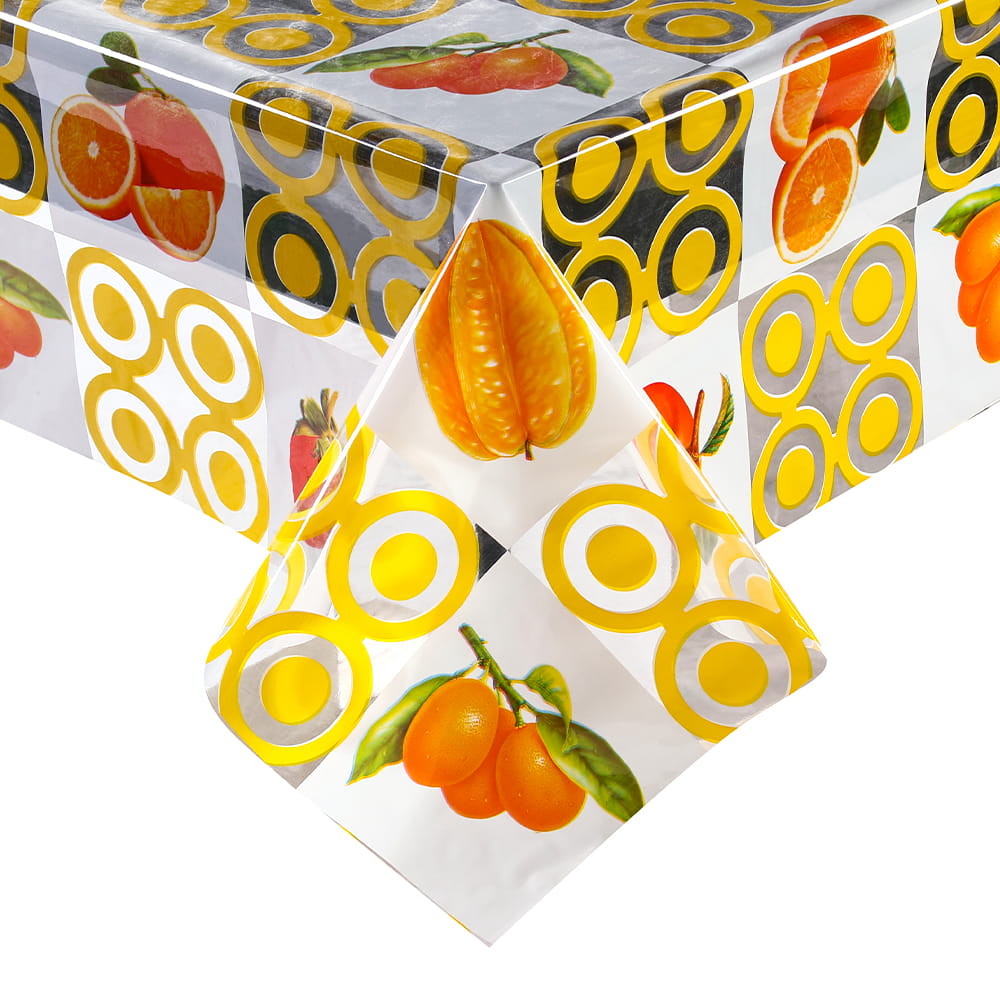
Items such as decorative fabric accessories, covers, and linens may include password cloth to communicate quality and originality. For example, even a gold table cloth designed for events or home dining can integrate subtle security codes to prove that buyers are receiving the intended material or craftsmanship.
Packaging and Gift Products
High-value packaging often requires anti-counterfeit features; password cloth offers a discrete yet reliable solution by replacing external labels with a security-embedded textile wrap or ribbon.
Tools, accessories, and equipment that rely on traceability benefit from password cloth sewn directly into the product or packaging.
The Growing Role of Password Cloth in a Digital Era
As digital authentication grows, password cloth provides a complementary physical method that supports real-world verification. It prevents unauthorized duplication not only by being difficult to copy but also by linking physical products with digital records more securely. Manufacturers can assign each pattern to a specific batch or customer group, creating a traceable chain from production to end-user.
Password cloth technology represents a thoughtful approach to product security, offering a material-based solution that integrates authenticity markers directly into the textile. It serves industries that need durability, tamper resistance, and clear identification. Whether applied to specialized packaging, branded apparel, or household items like a gold table cloth, password cloth helps ensure that genuine products can be confidently identified and trusted throughout their lifecycle.
Your email address will not be published. Required fields are marked *

Contact Information
 Add:No.28 Yanhu Road,ShangXi Industrial Zone. Yiwu City, Zhejiang, China.
 Mob:+86-0579-85655068

Tel: +86-13516950179
Mike: +86 15238809021
Maria: +86 17816710370
Rosie: +8619916093537
Product List
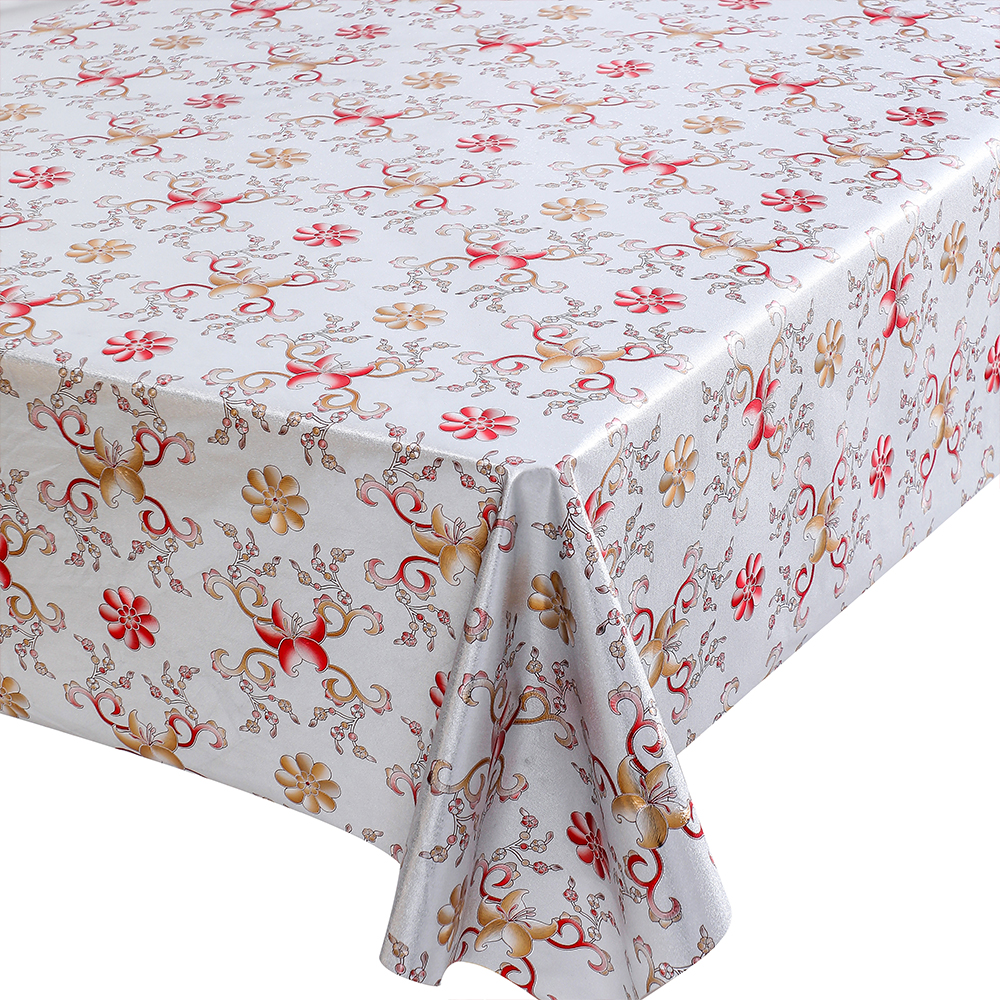
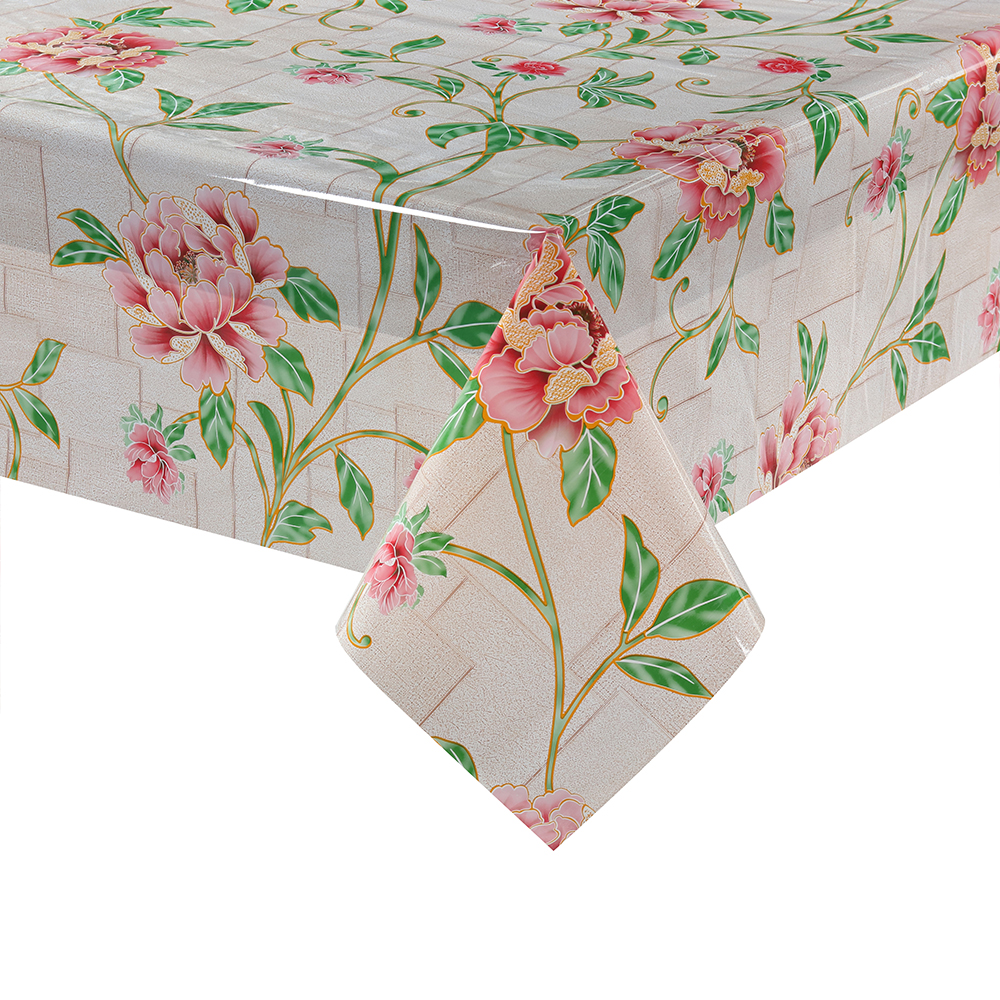
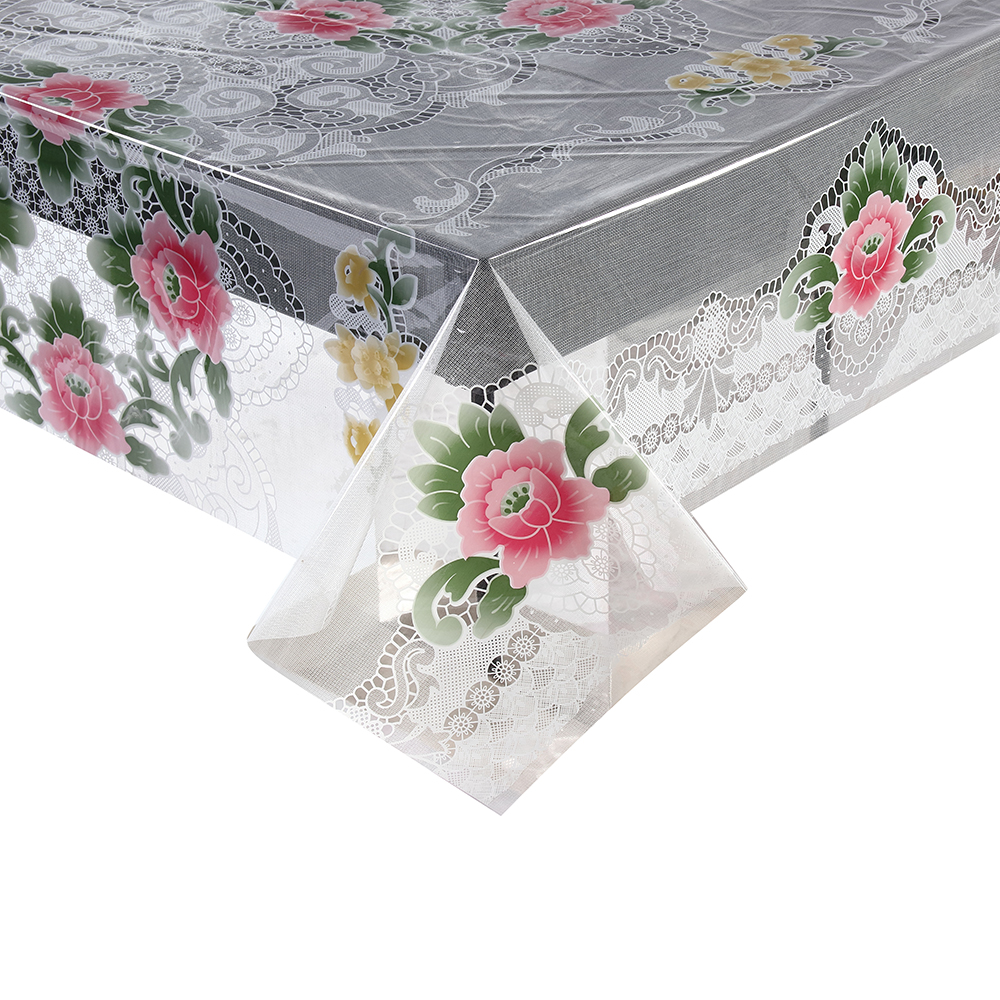
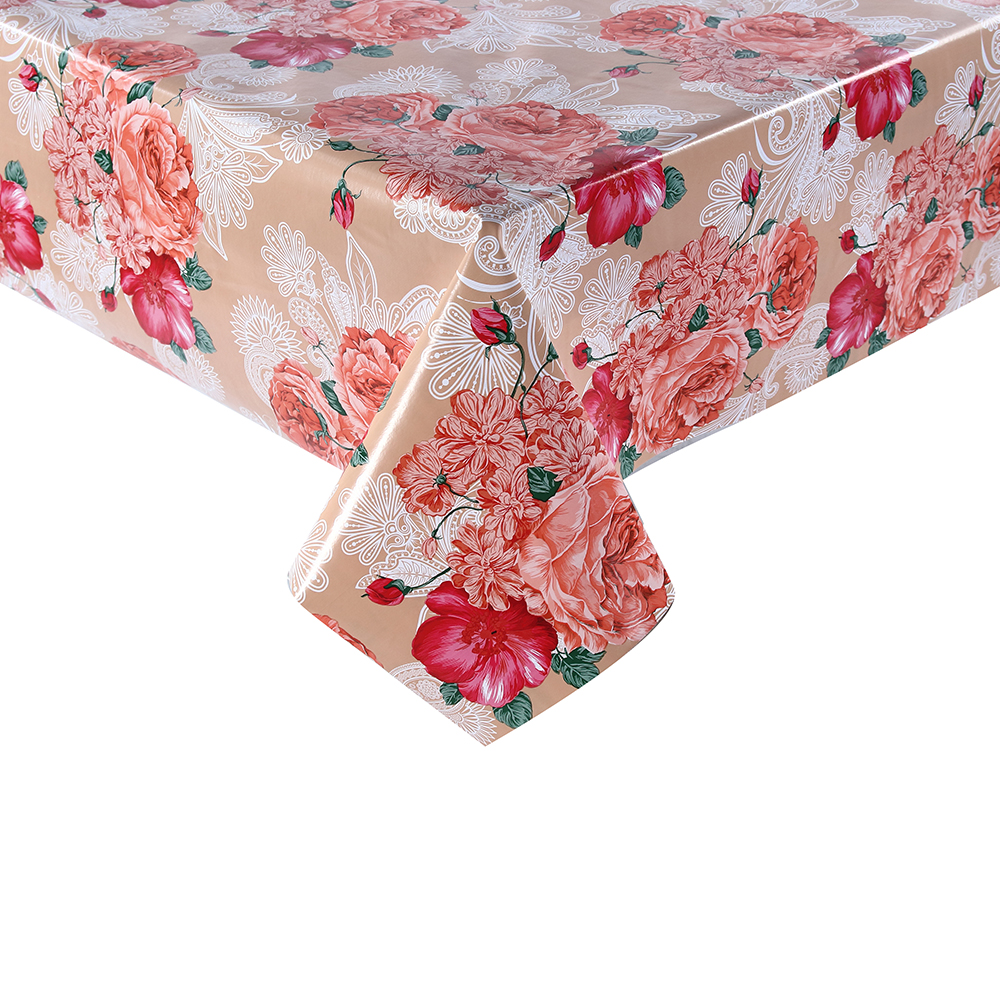
Transparent Printed PVC Printed PVC with nonwoven backing Embossed Gold & Silver Table Cloth Embossed Golden and Silver PVC Tablecloth with Spunlace / Polyester BackingMobile
Copyright © 2024 Yiwu ZuQing Daily Necessity Co., Ltd. All Rights Reserved.
Printed PVC Table Cloth Covers Factory