
 EN
EN
 中文简体
中文简体
Product Consultation
Your email address will not be published. Required fields are marked *

When selecting a gold table cloth, the material often matters just as much as the color. While the golden tone is the visual focal point, the fabric beneath determines how the table cloth drapes, how well it holds up during regular use, and how suitable it is for different events. Understanding the weaves and finishes behind these products helps buyers make better choices, whether the cloth is for home dining, hospitality settings, or event decoration. This guide explores the structure, characteristics, and special treatments commonly used in gold table cloth production, with a brief look at emerging materials such as password cloth and how they contribute to modern textile applications.
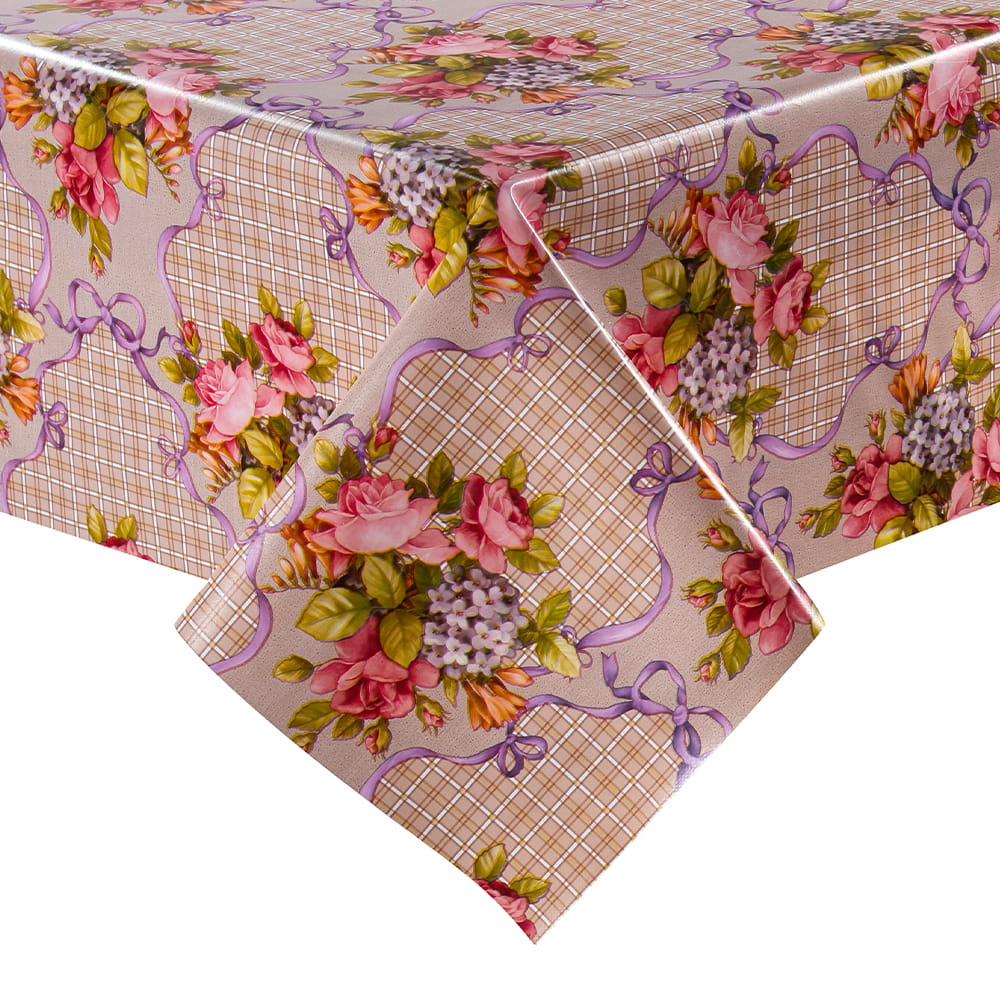
The weave of a fabric is essentially its framework. Different weaving patterns offer different textures, durability levels, and visual effects. Gold table cloths can be produced through several types of weaves, each with unique advantages.
1. Plain Weave
Plain weave is one of the simplest structures and is widely used in everyday table linens. Its uniform over-under pattern makes it stable and firm. Gold table cloths made using plain weave tend to have a balanced texture and moderate thickness. They are suitable for both casual dining and decorative layering on top of other linens. The simplicity of plain weave allows metallic threads or coated fibers to stand out clearly.
2. Twill Weave
Twill weave features diagonal lines, offering a more textured look. When a gold table cloth is made with a twill structure, the surface appears slightly more dynamic, with a gentle sheen that interacts well with lighting. Twill also provides enhanced flexibility, making it easier to drape over round or irregular tables. This weave is often preferred for settings that aim for a subtle yet sophisticated appearance.
3. Satin Weave
Satin weave is known for creating a smooth and lustrous surface. Gold table cloths made with satin weave often appear more radiant, with light reflecting evenly across the fabric. Satin does not rely on metallic fibers alone to create shine; its structure naturally amplifies brightness. While satin weaves may require a bit more care to prevent snags, they are often used for formal dining occasions, banquets, and festive displays.
Finishes are treatments applied to a fabric after weaving. These can enhance appearance, improve performance, or add protective qualities.
1. Metallic Coating
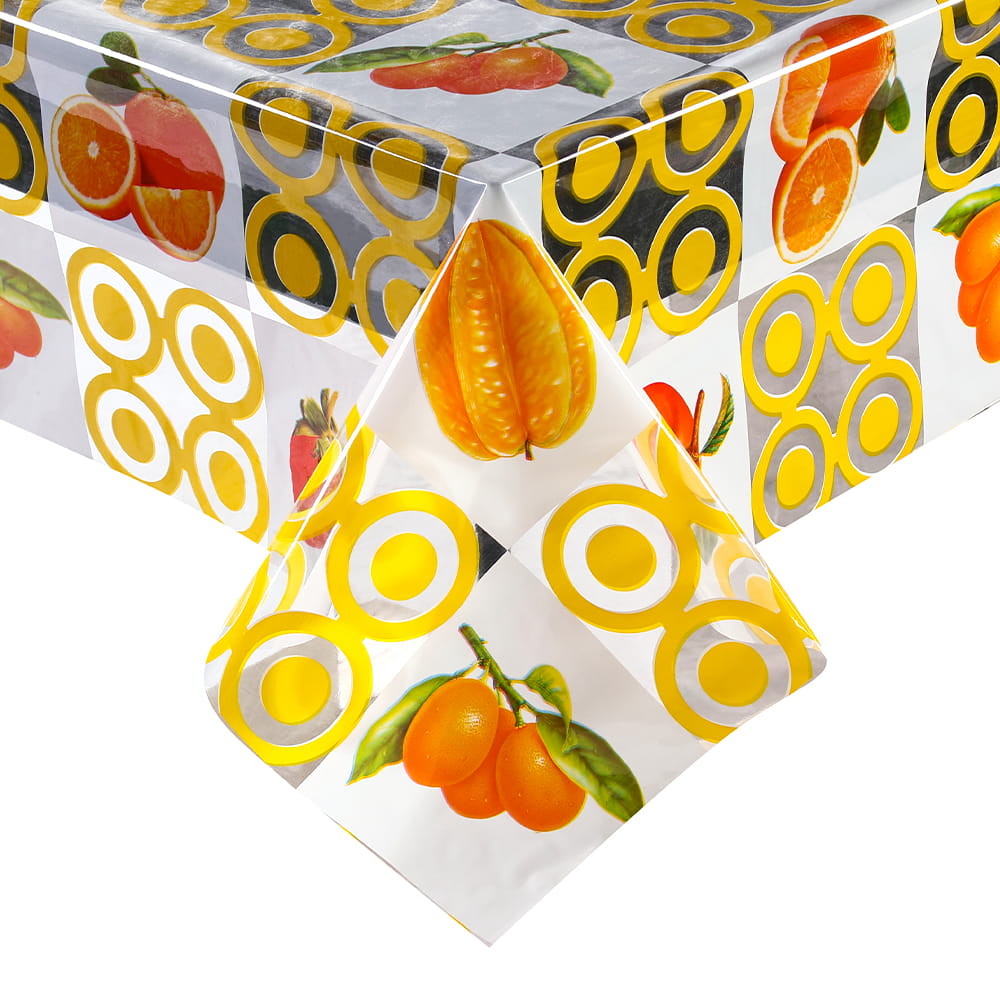
Some gold table cloths achieve their color through a surface coating rather than dyed fibers. Metallic coatings provide a smooth, reflective finish that enhances vibrancy. Coated table cloths tend to resist stains well because the surface forms a barrier against liquids. This finishing method is also used in decorative runners and event backdrops.
2. Embossed Finish
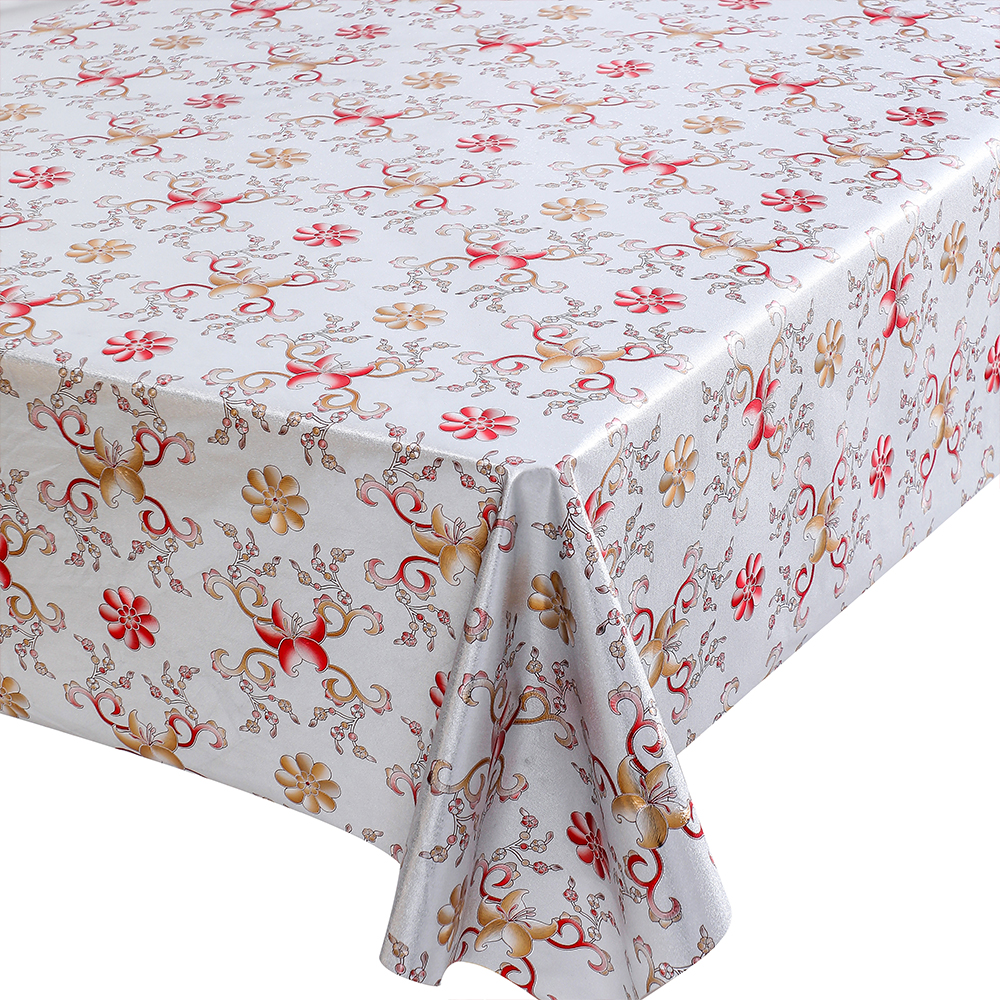
Embossing creates raised patterns on the surface of the fabric. A gold table cloth with an embossed design provides both visual and tactile interest. Floral patterns, geometric shapes, and classic motifs are commonly used. Embossed finishes work well in settings where the table cloth doubles as the main decorative element.
3. Water-Repellent Treatment
Water-repellent finishes allow the table cloth to resist spills, making cleanup easier and prolonging fabric life. This treatment does not change the appearance of the gold tone but enhances practicality, especially for outdoor dining or commercial use.
While traditional gold table cloths rely on textile craftsmanship, newer materials such as password cloth are gaining attention. Password cloth is known for its special surface patterns that function as an identification or anti-counterfeit feature. Though originally designed for packaging and security-related purposes, its characteristics have inspired designers to integrate similar concepts into decorative and functional textiles.
In table cloth applications, password cloth concepts can be used to create unique patterns that shimmer under light or respond differently when viewed from various angles. Although gold table cloths and password cloth serve different primary purposes, the crossover of design techniques provides interesting possibilities for future textile development.
The choice between plain weave, twill, satin, and various finishes depends on both the intended use and aesthetic preference. A lightly textured weave may suit everyday dining, while a satin finish offers a more refined atmosphere for special events. Additional treatments such as water repellency or embossing can add practical and decorative value.
By understanding how different weaves and finishes contribute to the appearance and performance of a gold table cloth, buyers can make decisions that align with their style, environment, and maintenance expectations. As textile innovation continues, fabrics inspired by materials like password cloth also open new possibilities for creative and functional table linen design.
Your email address will not be published. Required fields are marked *

Contact Information
 Add:No.28 Yanhu Road,ShangXi Industrial Zone. Yiwu City, Zhejiang, China.
 Mob:+86-0579-85655068

Tel: +86-13516950179
Mike: +86 15238809021
Maria: +86 17816710370
Rosie: +8619916093537
Product List
Transparent Printed PVC Printed PVC with nonwoven backing Embossed Gold & Silver Table Cloth Embossed Golden and Silver PVC Tablecloth with Spunlace / Polyester BackingMobile
Copyright © 2024 Yiwu ZuQing Daily Necessity Co., Ltd. All Rights Reserved.
Printed PVC Table Cloth Covers Factory