
 EN
EN
 中文简体
中文简体
Product Consultation
Your email address will not be published. Required fields are marked *

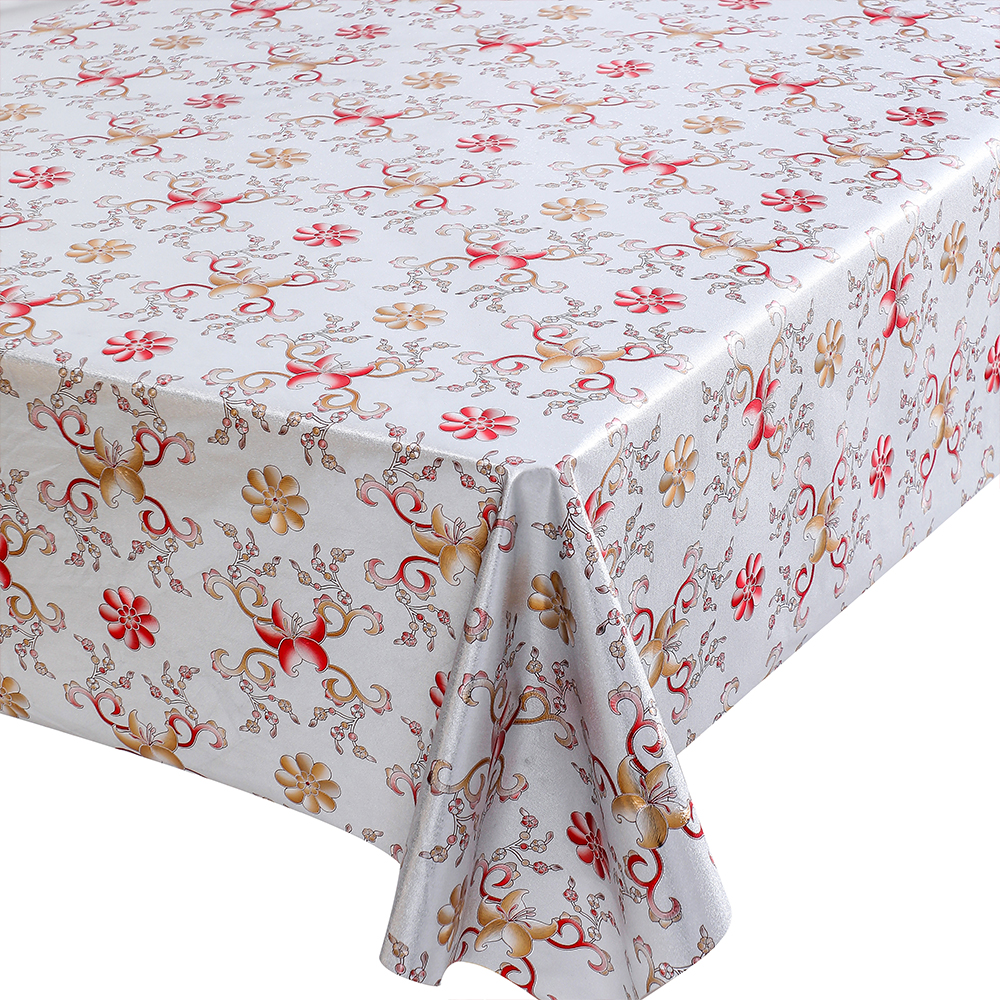
A gold table cloth can instantly elevate the look of a dining room, banquet hall, or event venue. Its warm shine creates a welcoming atmosphere, and the material options range from cotton and polyester to satin, jacquard, and specialty blends. Although attractive, a gold table cloth requires proper care if it is expected to maintain color, texture, and structural strength over time. This article shares practical care methods that help extend durability while keeping the cloth looking refined. Some of these principles are also applicable to functional fabrics such as password cloth, which incorporates security or identification features.
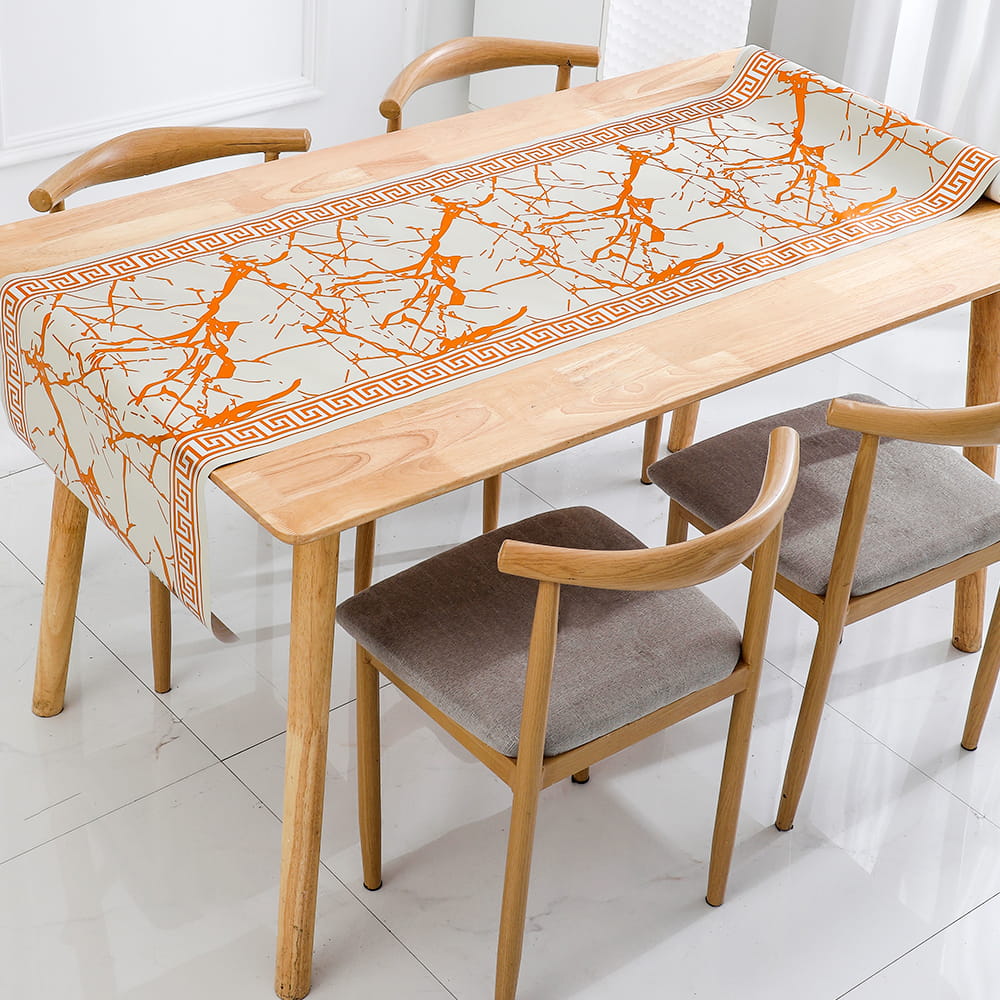
The first step in caring for a gold table cloth is identifying its fiber composition. A polyester or poly-blended cloth behaves differently from natural fibers. Polyester resists wrinkles and holds dye more firmly, which means the gold color remains stable after repeated washing. Cotton, on the other hand, absorbs moisture quickly and can shrink without proper handling.
If the fabric has decorative metallic threads or textured patterns, gentler washing is recommended. Special finishes found in certain gold table cloth designs may weaken under aggressive detergents. In cases where a password cloth layer is integrated into the product, reinforcing data or identification elements, extra attention should be paid to avoid excessive friction during laundering.
To retain the vibrant gold tone, always wash the cloth in cold or lukewarm water. High temperatures can cause fading or changes in surface sheen. Use mild detergent and avoid bleaching agents, as they may strip color or leave uneven marks on the fabric.
For table cloths with embroidery or woven metallic accents, using a laundry bag can help reduce tangling and abrasion. Gentle machine cycles or hand washing are both suitable methods. If stains occur during a dinner event, pre-treat them with a light stain remover as soon as possible. This reduces the need for harsh scrubbing later.
When dealing with a password cloth component—often used in textiles that require coded labels or protective layers—avoid soaking for extended periods. Prolonged exposure to detergents can weaken specialty coatings.
Proper drying is an important step in extending the life of a gold table cloth. Air-drying is ideal because it prevents shrinkage and avoids unnecessary heat stress. If using a dryer, choose a low-heat or air-fluff setting. Remove the cloth promptly when the cycle ends to minimize creasing.
Metallic or shimmering fabrics may become stiff if over-dried. Shaking the cloth lightly before hanging can help restore a smooth surface. Lay flat or drape over a clean line to support the weight evenly and avoid stretching.
Some gold table cloths require a light press before they are ready for use. Always check the care label for heat recommendations. For satin or shiny textures, iron on the reverse side with a pressing cloth to avoid leaving marks. Low to medium heat works well for polyester blends, while cotton may need slightly more warmth.
If the table cloth includes features found in password cloth, such as printed codes or integrated layers, avoid direct contact between the iron and the coded area. High heat may distort the embedded elements.
Storage plays a key role in protecting the longevity of the fabric. Ensure the cloth is fully dry before folding to prevent mold or odor. Store it in a cool, well-ventilated space. Avoid placing heavy objects on top, which may cause deep creases.
For long-term storage, wrapping the gold table cloth in acid-free paper can help preserve the color. Fabric bags are also effective in keeping dust away without trapping moisture. If using a storage system that includes password cloth labels for identification, make sure the tags remain clean and readable.
During meals or events, using table runners, placemats, or coasters can reduce direct contact with food and drinks. This lowers the likelihood of stains that require intensive cleaning. Regular inspection of seams and corners helps catch small issues before they grow into larger tears.
Your email address will not be published. Required fields are marked *

Contact Information
 Add:No.28 Yanhu Road,ShangXi Industrial Zone. Yiwu City, Zhejiang, China.
 Mob:+86-0579-85655068

Tel: +86-13516950179
Mike: +86 15238809021
Maria: +86 17816710370
Rosie: +8619916093537
Product List
Transparent Printed PVC Printed PVC with nonwoven backing Embossed Gold & Silver Table Cloth Embossed Golden and Silver PVC Tablecloth with Spunlace / Polyester BackingMobile
Copyright © 2024 Yiwu ZuQing Daily Necessity Co., Ltd. All Rights Reserved.
Printed PVC Table Cloth Covers Factory